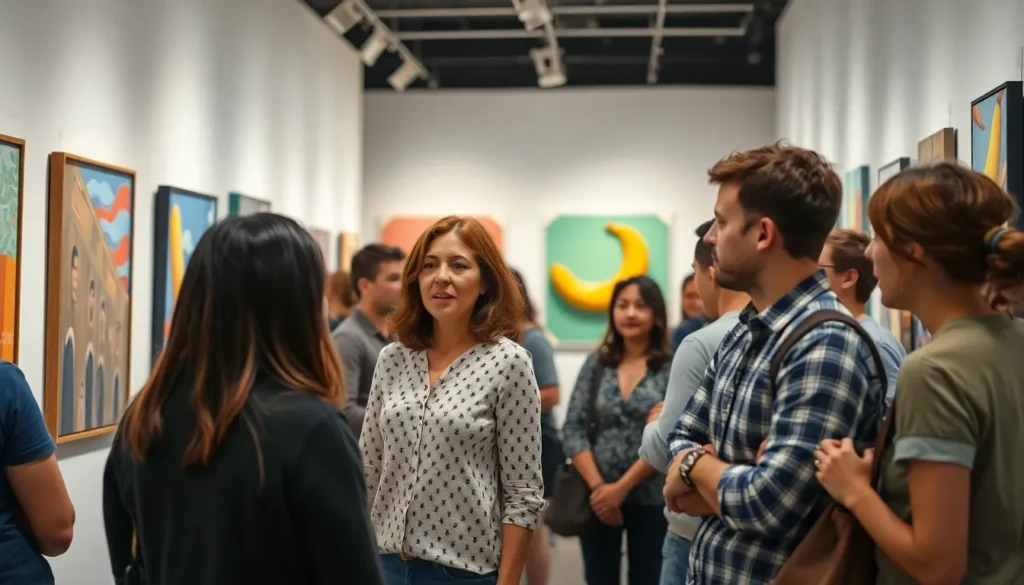
Art appreciation courses are like a backstage pass to the vibrant world of creativity. They unlock the secrets behind those masterpieces that make you go “Wow!” and help you decode the thoughts of artists who might seem a bit eccentric—think Van Gogh with his ear and Picasso with his, well, everything.
Whether you’re a casual observer or someone who believes they have a hidden talent for finger painting, these courses offer a delightful blend of knowledge and entertainment. You’ll learn to see art not just as pretty pictures but as powerful stories that can spark conversations and maybe even a few debates. So, grab your beret and prepare to impress your friends with your newfound insights—because who wouldn’t want to sound smart while discussing the deeper meanings behind a giant banana taped to a wall?
Overview of Art Appreciation Courses
Art appreciation courses aim to deepen understanding of artistic expression and the context in which art is created. Participants explore various artworks, learning about techniques and cultural significance.
Definition and Purpose
Art appreciation courses involve examining visual arts to foster a greater understanding of creativity and communication. These classes cover diverse topics, such as styles, movements, and historical contexts. Engaging in discussions about artistic intent and interpretation allows participants to appreciate art more fully. Courses also enhance critical thinking skills, enabling individuals to articulate their thoughts on various pieces. Ultimately, these classes transform viewing art into a more enriching experience rather than a passive activity.
Target Audience
Art appreciation courses cater to a wide range of individuals. They attract casual art lovers seeking to expand their knowledge. Aspiring artists find value in understanding techniques and influences behind significant works. Students in education or art history fields benefit from a structured approach to analyzing art. Additionally, professionals in creative industries gain insights into art’s role in culture and society. Age and background vary, yet a shared curiosity about art connects all participants.
Benefits of Taking Art Appreciation Courses

Art appreciation courses enrich understanding and cultivate a greater appreciation for creativity. These classes provide invaluable skills for interpreting the stories behind various artworks.
Enhanced Perception of Art
Taking art appreciation courses deepens perception of artistic elements. Participants learn to recognize techniques, styles, and the historical context that shapes each piece. This exploration helps distinguish subtle details that may go unnoticed. Observing how colors, forms, and textures interact opens new avenues for insight. Discussions about the artist’s intent challenge assumptions and invite fresh interpretations. Engaging with artwork shifts focus from mere aesthetics to understanding complex narratives. Consequently, this enriched perspective fosters a lifelong appreciation of art.
Personal and Professional Growth
Enrolling in art appreciation courses promotes personal growth by encouraging self-reflection. These courses enhance critical thinking and analytical skills, applicable in various fields. Gaining knowledge of artistic movements can inspire creative problem-solving in professional settings. Networking with other art enthusiasts may lead to collaborative opportunities. Moreover, boosting confidence in discussing art equips individuals to share insights in social or professional contexts. Overall, the experience instills a profound appreciation for art’s impact on culture and society, enriching both personal and career development.
Types of Art Appreciation Courses
Various types of art appreciation courses exist to cater to different learning styles and preferences. Options range from online platforms to traditional in-person settings, each offering unique advantages for participants.
Online vs. In-Person Classes
Online classes provide flexibility, allowing individuals to study at their own pace and access materials from anywhere. Participants benefit from recorded lectures, interactive forums, and diverse resources. In-person classes, on the other hand, create opportunities for direct interaction with instructors and fellow students. Engaging in live discussions enhances the learning experience, promoting deeper understanding through shared perspectives. Both formats allow participants to explore art in meaningful ways, depending on their schedules and personal preferences.
Specialization Options
Art appreciation courses offer various specialization options to deepen knowledge in specific areas. Participants can focus on genres like contemporary art, classical masterpieces, or cultural contexts. Courses may also emphasize artistic movements such as Impressionism or Abstract Expressionism. Each specialization provides unique insights, enriching the learning experience and helping individuals connect with their interests. Engaging with specialized content fosters a more profound appreciation for art, prompting participants to analyze works through different lenses.
Key Elements of Effective Art Appreciation Courses
Effective art appreciation courses incorporate various key elements that enhance the learning experience. Participants engage with comprehensive curricula designed to facilitate deeper understanding.
Curriculum Components
Curricula typically include a blend of art history, theory, and hands-on experiences. Workshops encourage practical application of concepts learned in lectures. Viewing and discussing artworks in person fosters connections between theory and real-world examples. Students explore major artistic movements, highlighting influential artists and key works. This exploration cultivates awareness of different styles and techniques that define artistic expression. Moreover, assessments often incorporate creative projects, allowing participants to express their insights while reinforcing their knowledge.
Role of Instructors
Instructors play a crucial role in shaping the learning environment. Qualified educators guide discussions while encouraging critical thinking and personal interpretation. They provide context about historical significance and artistic techniques, enhancing comprehension. Experienced instructors tailor their approach to accommodate diverse learning styles, ensuring inclusivity. Engaging discussions and thought-provoking questions stimulate curiosity and deeper exploration of content. Moreover, knowledgeable instructors create a supportive atmosphere where students feel comfortable sharing viewpoints and learning from one another.
Art appreciation courses offer a unique opportunity to explore the depths of creativity and artistic expression. They transform the way individuals engage with art, turning passive observation into active participation. By fostering critical thinking and encouraging discussions about artistic intent, these courses enrich personal and professional journeys.
For anyone curious about art’s role in culture and society, enrolling in an art appreciation course can be a game-changer. Whether online or in-person, these classes provide valuable insights and connections that enhance the overall experience of art. Ultimately, they cultivate a deeper understanding and appreciation for the narratives that shape the artistic landscape.